Why Do European Buyers Insist On An AC Cooling Fan With CE Certification?

June 01 , 2026

1. The Trade Logic Behind a Certification Label

In May 2026, the European Committee for Standardization officially enforced the new standard EN 17388:2026, requiring all manufacturers of industrial machinery and automation equipment entering the EU market to deploy an AI-powered multilingual CE declaration of conformity generator on their official websites. Just days later, on May 8, 2026, the European Commission updated the Ecodesign Directive Implementation Guidance, officially incorporating B2B industrial equipment such as motors, pumps, compressors, and HVAC systems into the mandatory digital energy efficiency disclosure scope. Companies failing to complete the energy efficiency data structure transformation on their official websites would be unable to renew their CE marking.


For Chinese fan manufacturers, this is far from just "a few more pages of paperwork." These two new regulations issued in May 2026 send a clear signal: CE certification has evolved from a mere compliance threshold into a systematic compliance project. The absence of any requirement is no longer a minor product defect but a one-veto entry barrier that directly blocks product access to the EU market.


This is precisely the core question this article will explore: Why are European buyers so insistent on CE certification? And why has the certification process for what seems like a simple AC cooling fan become so complex?


2. Three Historic Upgrades to CE Certification in 2026

To understand European buyers insistence, we must first examine the changes to the CE certification system in 2026. From 2025 to 2026, the EU CE certification system has undergone comprehensive upgrades across four dimensions: cybersecurity, digital traceability, full lifecycle supervision, and environmental responsibility enhancement. Multiple new regulations have been enforced or entered transition periods.


The first major change is the launch of the Digital Product Passport (DPP). On March 18, 2026, the European Commission officially released the implementation rules for the Digital Product Passport for electronic products, which took effect on April 1, 2026. All electronic and electrical products entering the EU market must be equipped with a mandatory Digital Product Passport documenting key information throughout the product lifecycle, including carbon footprint, hazardous substance content, and recycling plans. Products failing to meet these requirements will be banned from the EU market.


The second major change is the mandatory registration of the EUDAMED database. Effective May 28, 2026, all four modules of the EUDAMED database for medical devices have been fully implemented, covering SRN single registration number registration, UDI filing, certificate upload, and economic operator information entry. Products failing to complete registration will be directly blocked.


The third major change is the digital compliance requirements in the AI era. The new standard EN 17388:2026 requires manufacturers to deploy an AI-powered multilingual CE declaration of conformity generator on their websites, which goes beyond traditional website development and represents a deep integration of website functionality and compliance services.


Faced with such a stringent certification environment, any AC cooling fan product lacking CE certification represents significant legal and commercial risks in the eyes of European buyers. This is precisely why European buyers insist on CE certification.

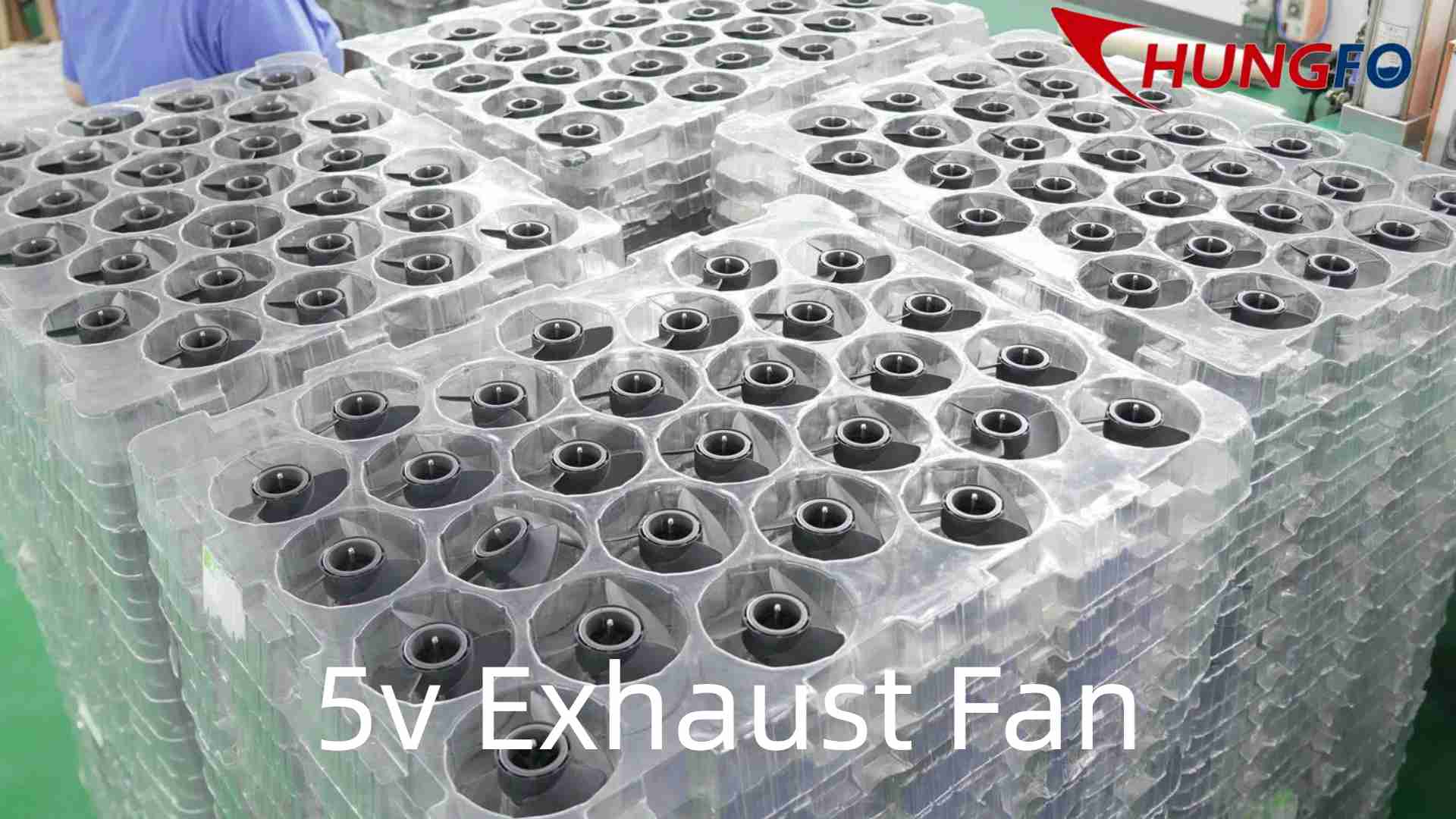
AC cooliing fans


3. The Thermal Management Demand in the EV Charging Equipment Market

The explosive growth of the electric vehicle charging station market is creating enormous opportunities for AC cooling fans. According to market research reports, the global electric vehicle charging station equipment market will grow from $347.29 billion in 2025 to $455.76 billion in 2026, representing a compound annual growth rate of 31.2%.


In Europe, the build-out of charging infrastructure is equally vigorous. European Economic Area countries have committed nearly 200 billion euros to their electric vehicle ecosystem, with charging infrastructure investments covering between 23 billion and 46 billion euros for public roll-out. Over one million public charging points have been deployed across Europe. As of 2025, public charging infrastructure across 32 European markets has expanded to 1.22 million charging points.


After large-scale deployment of charging equipment, a harsh reality emerges: thermal management. Whether AC slow chargers or DC fast chargers, the internal power modules, transformers, and control circuits generate significant heat during operation. Insufficient heat dissipation leads to reduced charging efficiency, shortened component lifespan, and in severe cases, fire hazards.


AC cooling fans are the key components solving this problem. A qualified AC cooling fan must pass CE-LVD safety testing and CE-EMC electromagnetic compatibility testing, ensuring stable and reliable operation under high-temperature, high-humidity, long-duration conditions. For European charging operators, a CE-certified AC cooling fan means verified electrical safety, electromagnetic compatibility, and long-term reliability.


4. China Chungfo Fan: From Industrial Cooling to Medical Device Cooling

China Chungfo Fan is a professional manufacturer specializing in cooling fan products, with a product line covering DC/AC cooling fans, cross-flow fans, and blowers. The company holds UL, CE, TUV, RoHS, and other international certifications. Its products are widely exported to high-end markets including the EU, the United States, and Japan, gaining broad customer recognition for superior noise control and energy efficiency performance.


In the medical device sector, the importance of cooling fans is being elevated to an unprecedented level. Trends in 2026 indicate that the core demands for cooling fans in medical devices are shifting toward high reliability, extended lifespan, and low noise. According to market research data, the global medical industry DC fan market was valued at approximately $1.5 billion in 2025 and is projected to grow to approximately $2.8 billion by 2033 at a CAGR of 7%.


Among these application demands, the DC 8025 fan from China Chungfo Fan demonstrates outstanding adaptability. This 80mm×80mm×25mm DC brushless fan, featuring advanced aerodynamic design and precision dynamic balancing technology, delivers high airflow while achieving extremely low operating noise, fully meeting the stringent acoustic requirements of medical environments. Its dual ball bearing design ensures an operating lifespan exceeding 50,000 hours, capable of adapting to 24/7 continuous operation in medical devices.


Beyond the medical device sector, China Chungfo Fan products have extensive applications across various equipment types. For example, in food cold chain and commercial refrigeration equipment, Chungfo high-efficiency 12V DC fans are used as fridge fan 12v, specifically designed for evaporator airflow circulation inside refrigerators, accelerating cold air movement to improve cooling efficiency and reduce compressor load. In the caravan and recreational vehicle sector, Chungfo caravan fridge vent fans are specifically tailored for the rear ventilation and heat dissipation channels of absorption refrigerators in caravans. The high-efficiency exhaust design rapidly extracts heat from the refrigerator back panel in hot weather, ensuring stable cooling performance of 3-way refrigerators in complex outdoor environments. In precision storage devices such as constant-temperature wine coolers and cigar cabinets—where temperature fluctuations are highly sensitive—the wine cooler fan from Chungfo plays a critical role. The stable and uniform low-noise air circulation effectively prevents local temperature gradients, ensuring each bottle of wine ages in the optimal environment. All these products undergo rigorous CE certification processes before leaving the factory to meet safety standards and energy efficiency requirements across diverse applications.


The technical confidence of China Chungfo Fan originates from its deep understanding and strict implementation of international standards. From ISO9001 quality management systems to CE, UL, TUV and other product safety certifications, every fan is backed by a comprehensive quality control process. For products requiring EU export, Chungfo ensures that each batch of fans passes strict testing under the Low Voltage Directive and Electromagnetic Compatibility Directive, establishing comprehensive technical documentation systems to meet the EU's continuously upgrading traceability supervision requirements.


5. AC/DC Fan Applications in Three Core Cooling Scenarios

After understanding the importance of CE certification and the thermal management demands of EV charging equipment, let us examine several specific product application scenarios.


5.1 Caravan Refrigerator Rear Ventilation – 12V DC Cooling Solutions


In modern caravan travel, 12V-powered caravan refrigerators face a persistent challenge: poor heat dissipation. Caravan refrigerators typically use absorption refrigeration technology, with their cooling cycle relying on an ammonia-hydrogen diffusion absorption system. This technology has relatively low efficiency and is highly sensitive to convective heat dissipation conditions at the rear.


To address this issue, specially designed caravan fridge vent fans have emerged. These 12V DC fans are installed behind the exhaust grille at the refrigerator rear. When the refrigerator starts cooling, the fan automatically activates, forcing accumulated hot air out of the vehicle. This design significantly improves refrigerator cooling efficiency in hot weather while reducing the continuous operating time of the compressor, extending equipment lifespan.


For such products, CE certification is particularly significant. The electrical system inside a caravan is itself a complex DC circuit network. Any uncertified fan causing electromagnetic interference or insulation failure could affect the safety and stability of the entire vehicle electrical system. Caravan fridge vent fans bearing the CE mark have passed rigorous testing under the EN 60335-1 household appliance safety standard, ensuring long-term reliable operation in the special environment of a caravan.


5.2 Wine Coolers and Constant-Temperature Storage Equipment – Applications of Wine Cooler Fans


Constant-temperature wine coolers and cigar cabinets are highly sensitive to temperature fluctuations. A fluctuation of ±1°C can affect the aging quality of premium wines. In the internal airflow channel design of these devices, the wine cooler fan undertakes the critical task of balancing the internal temperature field.


Unlike standard refrigerators, wine coolers pursue uniform cooling rather than rapid cooling. Therefore, wine cooler fans typically use low-speed, large-diameter impeller designs to achieve whole-cabinet air circulation at lower airflow speeds. 12V DC-powered wine cooler fans are favored by high-end wine cooler manufacturers for their low noise, low energy consumption, and speed-adjustable characteristics.


From a certification perspective, wine cooler fans must simultaneously meet household appliance safety standards and electromagnetic compatibility standards. In wine coolers that operate near living spaces, EMC testing is particularly important—unqualified fans may conduct interference through power lines, affecting the normal operation of other precision appliances in the home. The existence of CE certification provides peace of mind for end consumers while helping Chinese wine cooler manufacturers enter the EU market more smoothly.


5.3 Commercial Cold Chain and Refrigerator Internal Circulation – The Importance of 12V Cooling Fans


In commercial cold chain equipment, fridge fan 12v is an essential core component. From convenience store coolers to large supermarket refrigerated display cases, 12V DC fans circulate cold air from evaporators throughout the cabinet, ensuring that goods on every shelf maintain the correct temperature environment.


In the EU market, regulation of commercial cold chain equipment is becoming increasingly stringent. Beyond meeting basic LVD and EMC requirements, compliance with ErP directive energy efficiency grade requirements is also necessary. Refrigeration equipment achieving A or B energy efficiency labels gains significantly enhanced market competitiveness in the EU. The foundation for achieving this energy efficiency goal is the efficient DC brushless motor in 12V cooling fans.


China Chungfo Fan deeply understands this market demand, and its DC cooling fans excel in energy efficiency performance. By employing advanced motor control technology and optimized blade designs, Chungfo fridge fan 12v delivers sufficient airflow at low power consumption, helping customers achieve competitive advantages in energy efficiency ratings for their complete equipment.


6. Technical Requirements for CE Certification of AC Cooling Fans

So, what technical conditions must an AC cooling fan meet to successfully pass CE certification?


At the directive level, two core directives are involved: the Low Voltage Directive and the Electromagnetic Compatibility Directive. The Low Voltage Directive addresses the electrical safety of fans, including insulation resistance, dielectric voltage withstand testing, leakage current testing, and grounding continuity, ensuring that fans do not cause electric shock or fire hazards under any foreseeable operating conditions. The Electromagnetic Compatibility Directive addresses electromagnetic interference and immunity, covering multiple test items including radiated emissions, conducted emissions, electrostatic discharge immunity, and electrical fast transient/burst immunity.


At the standard level, the core safety standard applicable to AC cooling fans is EN 60335-1, along with the dedicated section for fan products, EN 60335-2-80. This standard system establishes a comprehensive testing framework across multiple dimensions including electrical safety, mechanical safety, and thermal safety, aiming to prevent electric shock, fire, mechanical injury, and other safety risks during normal use or foreseeable misuse.


For fans with an input power between 125 watts and 500 kilowatts, as of July 24, 2026, they must also meet the strict requirements of the new ErP Ecodesign Regulation, involving comprehensive assessment of motors, aerodynamic components, and auxiliary parts. This means that for high-power AC cooling fans, passing safety tests is no longer sufficient—they must also meet stringent energy efficiency standards for market access.


7. Compliance Roadmap: Strategies for Chinese Fan Manufacturers

Facing the continuous upgrading of the CE certification system since 2026, Chinese fan manufacturers need to develop a clear compliance roadmap.


First, plan early for technical documentation digitalization. In 2026, all CE certified products must submit electronic versions of declarations of conformity; paper declarations are completely obsolete. The electronic DoC must include product traceability codes, test report numbers, notified body information, and be filed on designated EU platforms. Companies should establish digital documentation management systems as early as possible to ensure rapid response during online verification by EU regulatory authorities.


Second, pay attention to Ecodesign energy efficiency requirements. For high-power industrial fans with power above 125W, starting July 24, 2026, they must meet the strict energy efficiency standards of the new ErP 2026 regulation. Products failing to meet these standards will be unable to renew their CE marking. Companies should collaborate with professional testing and certification agencies, incorporating energy efficiency design considerations during the product development phase rather than attempting remedies during the testing phase.


Third, establish full lifecycle compliance tracking mechanisms. With the implementation of the Digital Product Passport system, full lifecycle data of fan products—from raw material procurement to manufacturing to market recycling—must be tracked. Companies should establish complete data chains from supply chain management to finished product shipment, ensuring complete and authentic traceability information for every fan.


8. Conclusion: Certification Is Not Just a Threshold, But a Bridge of Trust

Returning to the original question: why do European buyers insist on AC cooling fans with CE certification?


On the surface, this is a market access compliance issue. But at a deeper level, CE certification serves as a bridge of trust between European buyers and Chinese manufacturers. Within the unified EU market, the CE mark represents a common language that transcends legal differences across 27 member states. For European buyers, an AC cooling fan bearing the CE mark signifies that the manufacturer has invested time and resources to understand and meet European regulatory requirements, that the product can be legally circulated within the EU, and that there is a clear traceability path for liability in the event of quality disputes.


Just as China Chungfo Fan upholds, certification is not just a piece of paper but a comprehensive reflection of a company technical capabilities and quality management standards. As more and more Chinese fan manufacturers enter the EU market through CE certification, establishing competitive advantages in application segments ranging from EV charging equipment cooling and medical device cooling to fridge fan 12v, caravan fridge vent fans, and wine cooler fan, this insistence will transform from a buyers one-sided requirement into a core competitive strength for Chinese manufacturers going global.

私たちのメーリングリストのためにサインアップすることによって知らされたまま
伝言を残す
伝言を残す
あなたは私達のプロダクトに興味があり、詳細を知りたいのですが、ここにメッセージを残してください

在宅

プロダクト

whatsapp